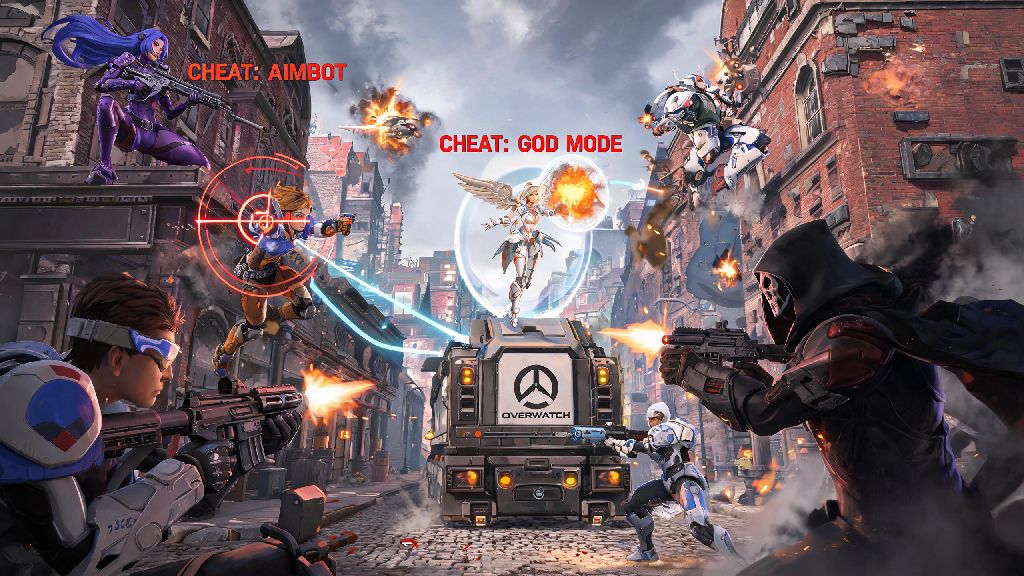
If you’ve ever queued for a ranked Overwatch 2 match and run into a Cassidy that lands every headshot from across the map without missing, or a support that never seems to take damage even when focused by your entire team, you’ve probably asked yourself: are there cheaters in Overwatch 2? It’s a fair question for any competitive online game, especially one with millions of active players across PC and console platforms. This guide breaks down exactly how prevalent cheating is in the game, what types of hacks you might encounter, how Blizzard works to stop bad actors, and what you can do if you run into a suspected cheater in your lobbies.
What the Data Says: Are There Cheaters in Overwatch 2?
Cheating is far less common in Overwatch 2 than many frustrated players assume after a single bad match. Third-party anti-cheat analysts estimate that roughly 2% of PC competitive matches have at least one confirmed cheater, while console competitive lobbies have a rate of less than 0.5% thanks to platform-level security restrictions. Cheating rates are far lower in Quick Play and Arcade modes than in competitive ranked lobbies, as there is no rank or seasonal reward to gain from hacking in casual play.
Higher rank lobbies have significantly higher cheat rates, with estimates jumping to 5-7% of matches in Top 500 and Grandmaster ranks. This is because many cheaters target high elo lobbies to sell boosted accounts or show off for streaming audiences. If you only play casual modes or sit in the Bronze to Platinum rank range, you may never run into a cheater at all, so if you’ve never asked are there cheaters in Overwatch 2 before, that’s completely normal. Many reports of “cheating” actually come from players mistaking high game sense, good positioning, or simply a lucky streak for foul play.
Most Common Types of Overwatch 2 Cheats You Might Encounter
While there are dozens of niche hack variants, the vast majority of cheaters use one of four common tool types that are easy to spot once you know what to look for:
Running into a cheater can completely ruin a match, especially if you’re grinding for a rank up or playing with a group of friends. Many players who run into repeated cheaters in higher-rank lobbies take short breaks to reset their frustration before queuing again, rather than continuing to play while tilted. Some opt for quick, low-stakes casual games in the Arcade, while others reach for light, fast-paced mini-games to take their mind off a bad match. Slots Spin is a popular pick for short 5-minute breaks between queues, as it doesn’t require much focus and lets you reset your mood before jumping back into competitive play.
Most cheaters use aimbot or wallhack tools, as these are the hardest for non-expert players to detect and prove. If you suspect someone is using these tools, the best way to confirm is to watch the match replay after the game ends, where you can view their perspective to see if their aim or positioning lines up with what a human player could reasonably pull off.
How Blizzard Fights Cheating in Overwatch 2
Many players wonder if Blizzard is doing enough to address the question of are there cheaters in Overwatch 2, and the short answer is that their anti-cheat team is actively updating their tools every month to catch new hack variants. The game uses a proprietary anti-cheat system that runs in the background of your game when you launch it, scanning for known cheat software and abnormal system activity that indicates a hack is running.
Blizzard also uses machine learning to flag abnormal play patterns, like 100% headshot rates across 10+ matches, or movement that is physically impossible for a human to replicate with a mouse or controller. Flagged accounts are reviewed manually by the anti-cheat team before a ban is issued, to avoid false bans for high-skill players. Blizzard issues permanent bans for confirmed cheaters, with no exceptions for first-time offenses in competitive play.
In addition to account bans, Blizzard also issues hardware ID bans for repeat cheaters, which means they can’t just make a new account on the same PC to get back into the game. They also run regular ban waves, where they detect thousands of cheaters at once and ban them all at the same time, so cheat developers can’t figure out exactly what feature of their tool led to the detection. Console players get extra protection from Sony and Microsoft’s platform-level anti-cheat systems, which are much harder for cheat developers to bypass than PC security.
What to Do If You Suspect a Cheater in Your Match
The first thing to do if you think someone is cheating is to avoid harassing them in text or voice chat. Accusing other players of cheating without proof can lead to you getting a chat restriction or temporary ban for toxic behavior, even if your suspicion is correct. Instead, finish the match, then pull up the replay to review their play from their perspective to confirm your suspicion before filing a report.
When you’re ready to file a report, use the in-game reporting tool, select “cheating” as the reason, and add specific details about what you observed, like “Widowmaker landed 18 consecutive headshots across two rounds without adjusting aim, and tracked enemies through walls”. Submitting a report with a replay and specific details is 3x more likely to result in a ban than a generic "cheating" report. Reports from multiple players in the same match are also prioritized by the anti-cheat team, so if your teammates also saw the suspicious behavior, ask them to file a report too.
Never try to fight fire with fire by downloading cheat tools yourself to get back at cheaters. Even testing a cheat tool one time on a secondary account can lead to a permanent ban on your entire Blizzard account, including access to all other games you own like World of Warcraft or Diablo. It’s also important to avoid reporting players just because they’re better than you, as false reports waste the anti-cheat team’s time and make it harder for them to review real cheating reports quickly. If you’re frustrated after a match with a suspected cheater, take a 10 minute break before queuing again to avoid tilting in your next match.
At the end of the day, the answer to are there cheaters in Overwatch 2 is yes, but they’re far less common than many players assume, especially in lower and mid-rank lobbies and on console platforms. Blizzard’s anti-cheat systems are constantly improving, and player reports play a huge role in keeping matches fair for everyone. The vast majority of Overwatch 2 players are playing fair, so one bad match with a cheater doesn’t have to ruin your entire play session. If you follow the reporting steps and take breaks when you’re frustrated, you can minimize the impact of cheaters on your gaming experience.