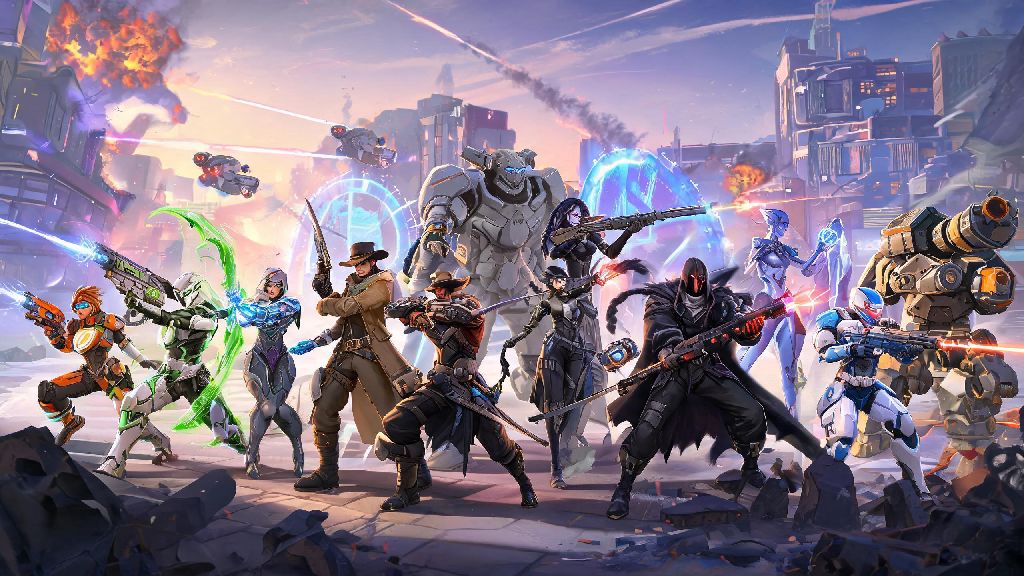
If you’ve ever queued for Overwatch 2’s quick play or competitive mode, you’ve probably noticed the DPS slot has the longest wait time of any role. Everyone loves the thrill of landing a game-winning headshot, wiping out an enemy backline, or carrying your team to a point capture. If you’re new to the game or just curious about the full roster, you’ve likely wondered how many dps are in overwatch 2, and what makes each of them unique. This guide breaks down the full DPS lineup, their subclasses, common play patterns, and actionable tips to climb ranks faster no matter what hero you main.
How Many DPS Are in Overwatch 2? Full Count & Subclass Breakdown
As of the latest hero release, there are 17 total DPS heroes in Overwatch 2, split across four distinct subclasses that each serve a unique purpose in team comps. The latest addition to the DPS roster is Venture, a mobile projectile hero that excels at flanking and area damage. While the number of damage heroes in Overwatch 2 changes occasionally when new heroes are released, the current 17-hero roster covers every possible playstyle you could want. Unlike the support or tank roles, DPS heroes have far more variety in playstyle, skill floor, and situational use, so you can almost always find a pick that matches your preferred way to play.
Hit-scan DPS heroes fire bullets that connect with targets instantly, with no travel time for their projectiles. This group includes Cassidy, Soldier: 76, Widowmaker, Tracer, Sombra, and Sojourn, and they’re the best picks for taking down fast-moving targets at medium to long range. They’re also the most reliable for finishing off low-health enemies that are trying to retreat to their backline.
Projectile DPS heroes fire shots that have a travel time, so you have to aim ahead of moving targets to land hits. This group includes Genji, Hanzo, Pharah, Junkrat, Mei, Echo, Symmetra, Torbjörn, Bastion and Venture. These heroes excel at area denial and dealing burst damage to grouped-up enemies, even if they require a bit more prediction skill to play well.
Flanker DPS, a subset of hit-scan and projectile heroes, have high mobility to get around enemy frontlines and attack supports directly. Tracer, Genji, Sombra, and Reaper fall into this category, and they’re the best picks if you love playing aggressively and catching enemies off guard. The last subclass is area control DPS, which includes Junkrat, Mei, Torbjörn, and Bastion, who specialize in locking down sections of the map to stop enemies from pushing or capturing points.
What Makes Overwatch 2 DPS Different From the Original Game?
If you played the original Overwatch, you’ll notice the DPS role works very differently in the 5v5 format of Overwatch 2. The original game had two DPS slots per team, so you could split responsibilities between a long-range and close-range pick, but now you only have one DPS slot per team in standard role queue. That means your choice of DPS has a far bigger impact on your team’s success than it did in the first game.
All DPS heroes in Overwatch 2 also get a unique role passive that doesn’t exist for other roles: a 25% boost to ultimate charge generation, plus 30% extra movement speed for 2.5 seconds after you get an elimination. This passive rewards aggressive play and lets you chain kills far more easily than you could in the original game. I’ve noticed this passive makes a huge difference in close team fights, where getting one pick can let you zoom around the fight to take out three or four more enemies before they can react.
Another big change is that there are far fewer shields in Overwatch 2, so DPS heroes don’t have to spend as much time melting through barriers before they can hit enemy players. That means high-burst DPS heroes that used to be niche in the original game, like Reaper and Sojourn, are far more viable in most matchups now. You don’t have to worry as much about your damage being wasted on shields, so you can focus more on targeting high-priority enemies like supports and enemy DPS.
How to Pick the Right DPS Hero for Any Match Scenario
Picking the right DPS for your match isn’t just about playing your main. You have to consider your team’s composition, the enemy’s picks, and the map you’re playing on to make the best choice. Even if you’re a top 500 Widowmaker main, picking her on a close-range map like King’s Row when your team has no frontline pressure is almost always a bad call.
Here are the three core factors I always consider before locking in a DPS pick:
Counter picking is almost always more important than sticking to your main in competitive play, even if you have 100 hours on your favorite hero. I learned this the hard way last season, when I insisted on playing Pharah against an enemy team with a Cassidy and a Widowmaker. I got picked off within 10 seconds of every fight, and we lost the match 0-3. If I had swapped to Reaper instead, we probably would have won, since their frontline was all slow, close-range tanks that Reaper melts through.
You also don’t have to stick to one pick for the entire match. If your current pick isn’t working, swap to a counter at the start of the next round. Most players don’t take advantage of the ability to swap heroes mid-match, but it’s one of the most powerful mechanics in Overwatch 2.
Common Mistakes New DPS Players Make (And How to Fix Them)
Even if you know all the DPS heroes and their counters, it’s easy to fall into bad habits that make you lose more matches than you win. Most new DPS players make the same few mistakes, and fixing them can easily bump you up two or three ranks in competitive play in just a few weeks.
The first big mistake is prioritizing damage numbers over objective play. A lot of new players think the DPS with the highest damage count on the team is the best player, but that’s almost never true. A DPS that gets 10,000 damage but never helps push the cart or capture the point is way less useful than a DPS that gets 5,000 damage but spends most of their time on the objective and takes out enemy supports. Always prioritize objective progress over padding your damage stats, even if it means you don’t get the play of the game.
Another common mistake is running off alone without your team. DPS heroes have high mobility, but that doesn’t mean you should be running into the enemy backline by yourself when your team is still 20 meters behind you. You’ll just get focused down immediately and waste a spawn timer, leaving your team down a player for 10 seconds right when they need you most. Wait for your tank to push first, then follow them into the fight so you have backup when enemies try to target you.
The third mistake is wasting your ultimate on low-priority targets. It’s tempting to use your big ultimate ability as soon as it’s charged, but using it to take out one low-health tank is a huge waste. Always save your ultimate for team fights where you can take out at least two or three enemies, preferably supports and DPS rather than tanks. For example, if you’re playing Cassidy, save your Deadeye for when the enemy team is grouped up pushing the point, not for when you see a lone Roadhog walking back from spawn.
Finally, a lot of new DPS players forget to track enemy cooldowns before engaging. If you know the enemy Kiriko used her Suzu 10 seconds ago, she can’t save her team from your ultimate for another 10 seconds, so that’s the perfect time to engage. If the enemy Tracer used her Recall right before a fight, she’s far more vulnerable to being picked off for the next 10 seconds. You don’t have to track every single cooldown, but keeping an eye on the most impactful support and DPS cooldowns will make you a far more effective player.
Whether you’re a new player just learning the ropes or a veteran player looking to climb the competitive ranks, knowing how many dps are in overwatch 2 and how each of them fits into different team comps is one of the most important skills you can build. Take time to test out different DPS heroes in quick play to find which ones fit your playstyle best, and don’t be afraid to swap picks mid-match if your current one isn’t working. With a little practice, you’ll be climbing ranks and carrying your team to wins in no time.