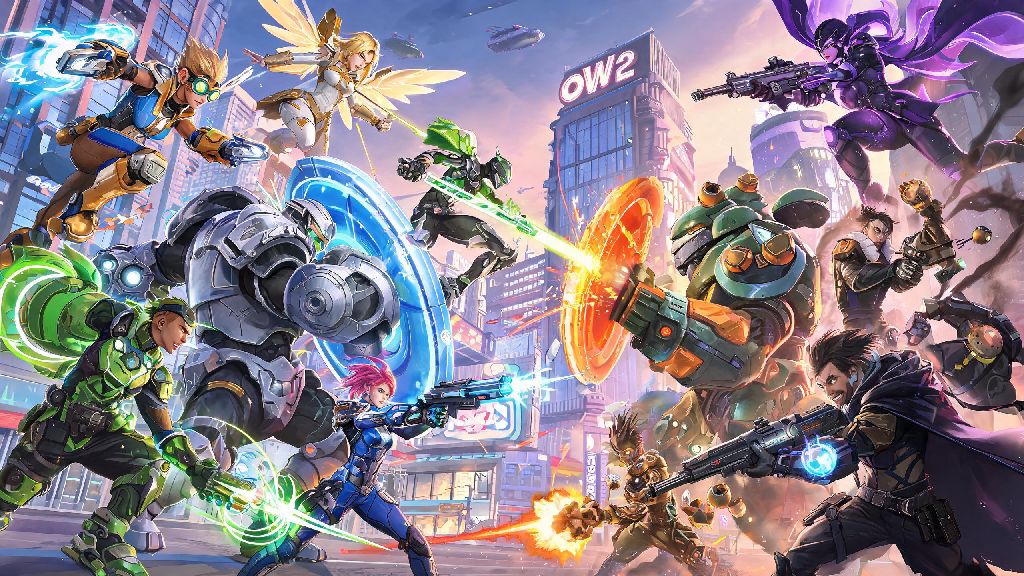
2026 has brought some of the most fun changes to Overwatch 2’s casual and competitive lobbies, and if you’ve been seeing viral clips of chaotic, coordinated team fights popping up on your social feeds, you’re probably curious about how to play 6v6 Overwatch 2 after Blizzard brought back the classic format earlier this year. I’ve been grinding 6v6 lobbies since the update dropped, and I’ve picked up enough wins (and frustrating losses) to break down exactly what works, what doesn’t, and how you can climb ranks or just have fun with your friends without getting tilted every other match. Unlike the original 6v6 from the first Overwatch, the 2026 version has a few small tweaks that make it feel fresh even for long-time players, so even if you played 6v6 years ago, you’ll want to stick around for the updated rules.
Core Rules You Need to Know to Play 6v6 Overwatch 2 in 2026
The first thing you’ll notice when you queue for 6v6 in 2026 is that official competitive lobbies have soft role lock, meaning you can swap roles mid-match as long as your team keeps the 2/2/2 (2 tanks, 2 damage, 2 support) split at all times. Quick play lobbies have no role lock, but most players still stick to 2/2/2 anyway, since going off-meta with 3 damage almost always leads to a fast loss. You can no longer stack three of the same hero in any 6v6 lobby, even quick play, which is a change Blizzard rolled out in the 2026 mid-season patch to stop trolling and unbalanced matches. That means no three Widowmaker one-tricks can ruin your casual lobbies anymore, which is a huge win for 90% of the player base. You also can’t swap heroes for the first 30 seconds of a match, to stop players from instantly counter-picking before the first team fight even starts. Match time limits are 15 minutes for control maps, 20 minutes for payload and hybrid maps, which is 5 minutes shorter than the original Overwatch 6v6 format to keep matches fast-paced and prevent dragged-out, unfun stalemates.
Best 2026 6v6 Team Compositions for Every Skill Level
Picking the right team comp is half the battle in 6v6, and the meta has shifted a lot since the 2026 balance patch dropped. You don’t have to stick to meta if you’re playing casual, but if you want to win more matches, these comps work for almost every map type:
Key 2026 6v6 Competitive Play Tips to Win More Team Fights
Even if you have the perfect comp, you can still lose matches if you don’t play team fights the right way. I’ve lost so many matches where my team had way better heroes, but we made small mistakes that cost us the round. Always focus on taking out enemy supports first before you go after damage or tank heroes, since supports keep the whole enemy team alive, so taking them out first makes the rest of the fight way easier. If you’re playing a tank hero, don’t push too far ahead of your team, even if you think you can take a few enemies out alone. Most of the time, you’ll just get focused and die before your team can back you up, leaving the rest of your team without a front line. Use your ultimate abilities together instead of wasting them one at a time, for example, if your Reinhardt uses his Earthshatter, your Reaper should use his Death Blossom right after to take out the whole enemy team at once. That’s a combo that works in almost every rank, and it’s super easy to coordinate even with randoms if you call it out in team chat. You also want to make sure you’re using your support’s utility abilities too, not just their healing. For example, Kiriko’s Suzu can save your whole team from a D.Va’s self-destruct, so don’t waste it on small damage instances that won’t kill anyone.
Common Mistakes to Avoid When Playing 6v6 Overwatch 2 in 2026
I see the same mistakes over and over again in 2026 6v6 lobbies, even from players who have been playing Overwatch for years. First, don’t leave the objective to chase a single enemy across the map, even if you’re 100% sure you can get the kill. Your team is down a player while you’re off chasing, and you could lose the objective just because you wanted one extra kill. Don’t flame your teammates for small mistakes, especially in competitive lobbies. Tilting your team will make them play worse, not better, and you’re way more likely to come back from a 0-2 start if you stay positive and give constructive feedback instead of yelling. Another common mistake I see is people forgetting to swap heroes when they’re getting countered. If you’re a Widowmaker main and the enemy team has a Winston that keeps diving you, swap to a different damage hero instead of sticking to Widowmaker and feeding the enemy team free kills. You don’t have to be good at every hero, but having 2-3 heroes you can play well in each role will make you way more flexible and valuable to your team. Don’t ignore support players on your team, if your support is spamming that they need help, turn around and help them instead of pushing forward. Supports can’t heal you if they’re dead, so protecting them is one of the most important things you can do as a damage or tank player.
At the end of the day, learning how to play 6v6 Overwatch 2 in 2026 is all about having fun first, and winning is just a nice bonus. You don’t have to be a top 500 player to enjoy 6v6 lobbies, even if you’re new to Overwatch for the first time, you’ll pick up the rules and strategies after a few matches. Try out different roles and heroes to find what you enjoy playing the most, and don’t be afraid to experiment with off-meta comps if you’re in casual lobbies. If you follow the tips we’ve laid out here, you’ll be winning more matches and climbing ranks in no time, no matter what skill level you’re at right now.