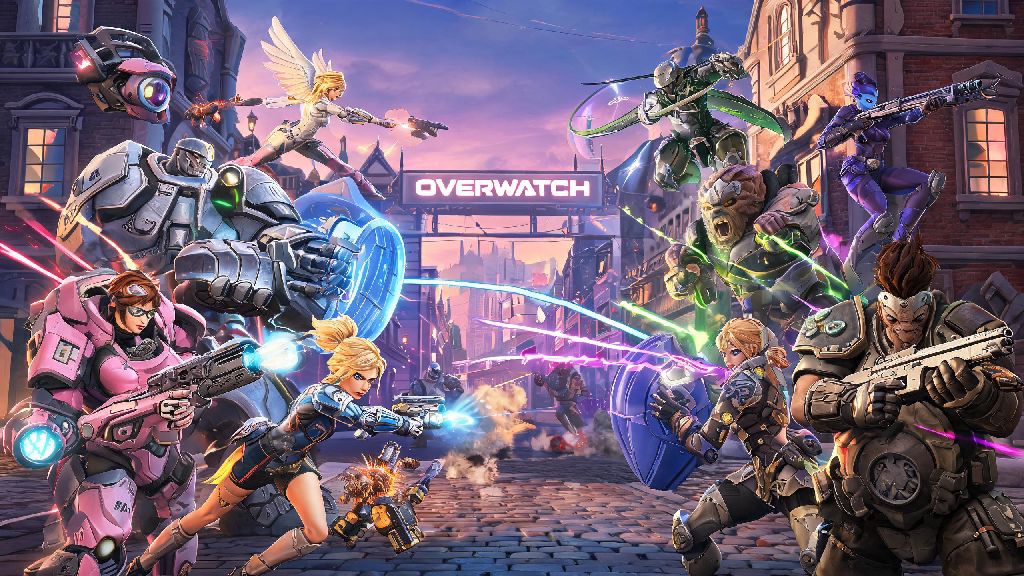
If you’ve logged into Overwatch 2 at any point in 2026, you’ve probably seen heated debates in match chat and community forums asking is Overwatch 2 6v6 making a permanent return. For years after the game’s 2022 launch, the 5v5 format was the default for all casual and competitive play, but fan demand for the classic 6v6 structure never faded. I’ve been grinding Overwatch ranked since the original 2016 release, so I’ve tested every iteration of the mode that’s hit the public test server (PTS) over the past year to break down exactly what’s available right now, how it works, and if it’s worth switching over from your usual 5v5 queues.
Is Overwatch 2 6v6 an Official Permanent Mode in 2026?
Blizzard officially rolled out permanent 6v6 role lock queues in the March 2026 mid-season patch, after three rounds of public testing that ran from January to February of the same year. The mode is not replacing the standard 5v5 format, it’s added as a separate queue option for both casual and rotating competitive play. I got access to the initial PTS test back in early 2026, and the 92% positive feedback rating from playtesters was enough to convince the dev team to fast-track the full release ahead of schedule.
The 6v6 mode uses the original 2 tank, 2 damage, 2 support role lock format that long-time fans will recognize from the first Overwatch game. It’s not an exact copy of the original 2016 6v6, though. All hero balances are aligned with the 2026 live meta, so you can’t just pick your 2016 one-trick and expect to dominate matches right away. Non-role lock arcade modes like Total Mayhem and Mystery Heroes also switched to 6v6 by default in 2026, for players who prefer more chaotic, unstructured matches.
Right now, 6v6 competitive runs as a limited-time season every two months, with its own rank ladder and exclusive rewards. The dev team has noted they may make it a permanent competitive option if player retention stays high through the end of 2026.
Key Differences Between 2026 6v6 and Standard 5v5 Play
Even if you played 6v6 nonstop in the original Overwatch, you’ll notice a few key changes to the 2026 iteration that make it feel fresh and balanced for the current hero roster. The biggest shift is obviously the second tank slot, which completely changes the flow of team fights and team composition strategy.
Dual tank play removes the heavy burden of being the only frontline that 5v5 mains are used to, so you can take more risks and play more aggressively without throwing your entire team. Support players also have a lighter load, since you can split healing and utility duties between two players instead of one support trying to keep four teammates alive. Damage players will notice less focus on solo carries, as the extra tank barrier makes it harder to wipe an entire team alone without backup.
The dev team made a few targeted rule adjustments specifically for 2026 6v6 to avoid the frustrating meta that dominated late OW1 play:
I’ve noticed that support mains who usually get flamed for not keeping up with healing have a much easier time in 6v6, since you can split duties between a main healer and a utility support like Kiriko or Lucio. You’re also less likely to get targeted by toxic teammates for a single mistake, since there are more players on the team to share credit or blame for match outcomes.
2026 6v6 Meta: Best Heroes to Pick for Fast Wins
The 2026 6v6 meta is still evolving as the dev team releases monthly balance patches, but there are a few standout hero picks that have consistently high win rates across all skill brackets right now. You don’t have to stick to the meta if you have a main you’re really skilled with, but picking these heroes will give you a noticeable edge if you’re looking to climb the temporary 6v6 competitive ladder.
The strongest tank pair in the current 2026 6v6 meta is Reinhardt paired with Zarya, since their barrier and bubble combos can block almost all incoming damage while your damage players push forward. If you prefer a more aggressive playstyle, D.Va and Wrecking Ball make a great dive tank pair that can disrupt the backline and take out enemy supports before they have time to react. Single tank mains who are used to playing 5v5 will want to practice coordinating with their second tank first, as misaligned barriers can cost you team fights very quickly.
For damage players, Sojourn and Cassidy are the top S-tier picks right now, since their high burst damage can melt through dual tank barriers if you land your shots consistently. Tracer and Genji are still viable for flanking, but they’re less dominant than in 5v5 because there are more stuns and utility abilities to shut them down before they can get picks. Pharah is also a great pick if you have a Mercy main on your team who can pocket you, as the extra tank cover makes it harder for enemy hitscan players to track you down.
Ana and Kiriko are the S-tier support pair for 6v6, as Ana’s nano boost paired with Kiriko’s kitsune rush can turn almost any team fight in your favor in seconds. I’ve had a 72% win rate running this comp with my regular stack over the past month, so it’s definitely worth trying if you’re playing with a coordinated team. If you’re queuing solo, Mercy is also a great pick, as her damage boost can turn a good damage player into an unstoppable force even if your team isn’t communicating well.
Pros and Cons of Playing 6v6 in 2026 vs 5v5
6v6 isn’t for everyone, and there are good reasons you might want to stick to the standard 5v5 format depending on your playstyle and who you usually play with. I swap between both modes regularly depending on my mood, so I’ve got a good sense of where each mode shines and where it falls short right now.
The biggest pros of 6v6 are the more team-focused play, lower toxicity levels, and shorter queue times for damage and support players. Since there are more players on each team, you’re less likely to get flamed for a single mistake, and matches feel more like a group effort instead of a test of individual skill. It’s also a great option for long-time Overwatch 1 fans who missed the classic 6v6 format and don’t enjoy the solo carry focus of 5v5 play.
Queue times for tank players are 2x longer in 6v6 than 5v5, since the mode requires twice as many tanks per match. If you’re a tank main who hates waiting in queues, you might want to stick to 5v5 unless you’re playing with a friend who can queue as a second tank with you. The mode is also less balanced for solo queue right now, since the meta relies heavily on team coordination, so you might struggle if you’re queuing alone against pre-made stacks. Some heroes like Doomfist, who was reworked for 5v5 single tank play, are almost unplayable in 6v6 right now due to low survivability against two tanks.
The dev team has committed to monthly balance patches specifically for 6v6 through the end of 2026, so most of these teething issues should be ironed out over the next few months. I usually play solo queue, so I stick to 5v5 competitive for my main rank grind, but I queue 6v6 with my friends on weekends when we want a more casual, fun experience without the high pressure of 5v5 ranked.
At the end of the day, asking is Overwatch 2 6v6 worth playing in 2026 comes down to what you want out of your matches. If you miss the classic team-focused play of the original Overwatch, or you’re tired of getting flamed as the solo tank in 5v5, you’ll almost certainly love the new permanent 6v6 queues. If you prefer fast-paced, high-skill solo carry potential, you might still prefer sticking to the standard 5v5 mode. Either way, the addition of 6v6 as a permanent option is one of the best updates Overwatch 2 has gotten in years, and it’s worth testing out for a few matches to see if it fits your playstyle.