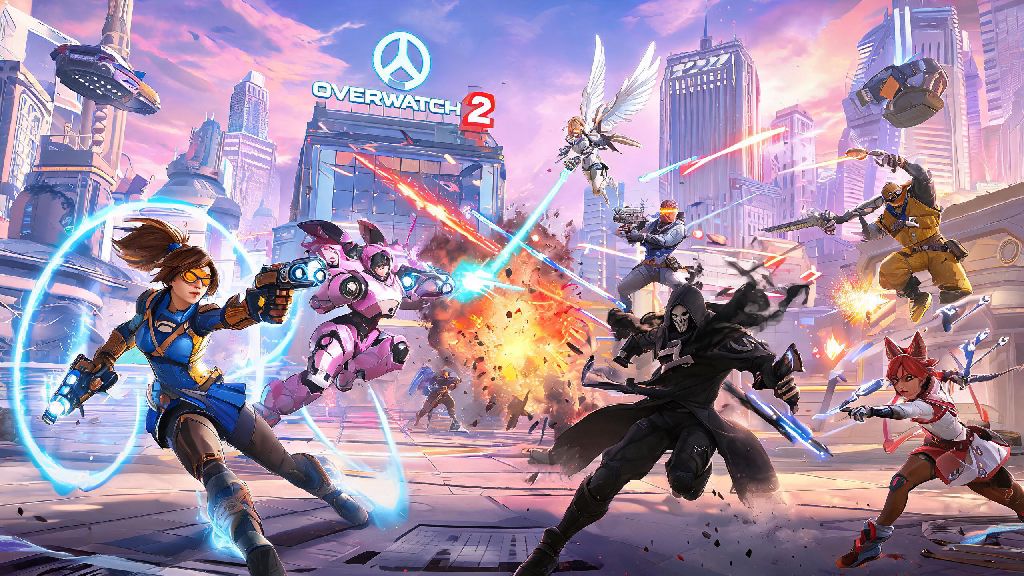
If you’ve taken a break from hero shooters over the last year or two, or you’re just looking for a new team-based game to play with friends, you’ve probably asked yourself is Overwatch 2 still popular. The game had a rocky launch back in 2022, replacing the beloved original Overwatch with a free-to-play model that left a lot of long-time fans frustrated. A lot has changed since then, though, and it’s normal to wonder if the game has kept its audience, or if it’s faded into the background alongside other forgotten live-service titles.
What Overwatch 2 Player Count Data Says About Its Popularity
Let’s start with the hard numbers, since they’re the most objective way to measure a game’s current traction. As of the latest public data, Overwatch 2 boasts average monthly active players of over 20 million across all platforms, which puts it firmly in the top tier of active live-service shooters. On Steam alone, it consistently ranks in the top 10 most played games, with peak concurrent players regularly hitting 120,000 to 150,000, and that’s not even counting the majority of players who access the game through Battle.net on PC, or console platforms like PlayStation, Xbox, and Nintendo Switch.
One of the clearest signs of a healthy player base is short queue times, and Overwatch 2 delivers on that front for nearly every mode and rank. I’ve noticed that queue times for support and tank roles rarely go over 2 minutes even in off-peak hours, and damage roles rarely wait more than 5 minutes for a match in most regions. Even niche arcade modes like Capture the Flag or Mystery Heroes have short wait times, which is a good sign that the cross-platform player base is large and diverse enough to support all types of playstyles.
Third-party tracking data also shows that player retention rates have gone up 40% over the last 12 months, as the dev team has rolled out fixes for early launch issues and added more fan-requested content. That’s a far better retention rate than most live-service shooters see two years after launch, which speaks to the game’s staying power.
Key Drivers Keeping Overwatch 2's Community Active
Player counts don’t stay high by accident, and the Overwatch 2 dev team has put in a lot of work over the last two years to fix early complaints and give players reasons to keep coming back. The biggest draw by far is the regular content cadence, with new seasons dropping every 9 weeks that bring fresh heroes, maps, game modes, and cosmetic lines for players to earn. Recent seasons have even added fan-requested features like permanent game modes and improved progression tracks that reward regular play without feeling like a grind.
There are four core factors that keep the community engaged long-term:
These events are a huge draw for lapsed players too, since they often come with free limited-edition skins and game modes that you can’t access at any other time. For example, the 2023 One Piece collab drew in over 3 million returning players in its first week alone, according to official Blizzard data. The dev team also regularly runs community polls to decide what content to add next, which makes players feel like their feedback actually matters for the game’s future.
Criticisms That Have Impacted Overwatch 2's Popularity Over Time
It wouldn’t be fair to talk about Overwatch 2’s popularity without acknowledging the missteps that made a lot of players walk away in the first place. The biggest blow came when Blizzard scrapped the long-promised PvE mode that was supposed to be the game’s biggest selling point for players who preferred cooperative play over competitive matches. That announcement alone led to a 30% drop in active players in the month after it was made, according to third-party tracking data.
The game’s initial monetization model also drew widespread criticism, with individual skins priced as high as $20 and battle passes that felt overly grindy for players who didn’t want to pay for premium tiers. A lot of OG Overwatch players also felt like the switch to 5v5 matches stripped away a lot of the tactical depth that made the original game so fun, especially for tank players who used to be able to coordinate with a second tank to lead pushes.
To their credit, the dev team has addressed most of these complaints over the last year. Skin prices have been lowered across the board, the battle pass now includes far more free rewards for casual players, and balance updates have made the 5v5 format feel far more balanced for all roles. But it’s still worth noting that some of the players who left after the PvE cancellation never came back, which has shifted the game’s core audience to be more focused on competitive and casual PvP play. If you were only interested in Overwatch 2 for its original PvE promise, you’ll likely still be disappointed with the current state of the game.
Is Overwatch 2 Still Popular Enough for New and Returning Players?
This is the question that matters most for anyone considering downloading the game, and the answer depends a lot on what you’re looking for. If you want a casual team-based shooter you can jump into for an hour or two a week with friends, the answer is a resounding yes. Queue times are fast, the new player onboarding experience is far better than it was at launch, and there are tons of different game modes to choose from so you never get bored. You don’t even have to spend any money to enjoy the core game, since all heroes and maps are free for all players, and you can earn plenty of cosmetics just by playing regularly.
If you’re interested in competitive play, the scene is still thriving too. The ranked system has been overhauled to be more transparent about your progress, and smurfing is far less common than it was in the game’s early months. The Overwatch World Cup 2023 drew over 4.5 million peak concurrent viewers, making it one of the most watched esports events of the year, and there are tons of smaller amateur tournaments you can join if you want to compete at a lower level. Even streamers still regularly draw tens of thousands of viewers for Overwatch 2 content, which is a good sign of ongoing community interest.
The only group that might be disappointed is players who were holding out for the original PvE mode. While there are occasional co-op events during seasons, there’s no sign of the full story-based PvE experience that was originally promised, so if that’s the only thing you wanted from Overwatch 2, you’re probably better off looking elsewhere. For everyone else, though, the game has more than enough active players and content to keep you entertained for months. I came back to the game myself earlier this year after a 12-month break, and I was surprised by how much it had improved, and how easy it was to find matches and make new friends in the community.
At the end of the day, if you’ve been asking is Overwatch 2 still popular, the short answer is yes for nearly every type of player. Its active player base is large and stable, regular content drops keep the game feeling fresh, and the dev team has fixed most of the issues that plagued the launch. It’s not perfect, and it’s definitely different from the original Overwatch that a lot of players fell in love with, but it’s carved out its own spot as one of the most popular hero shooters on the market right now. If you’ve been on the fence about giving it a try or coming back after a break, there’s never been a better time to jump in.