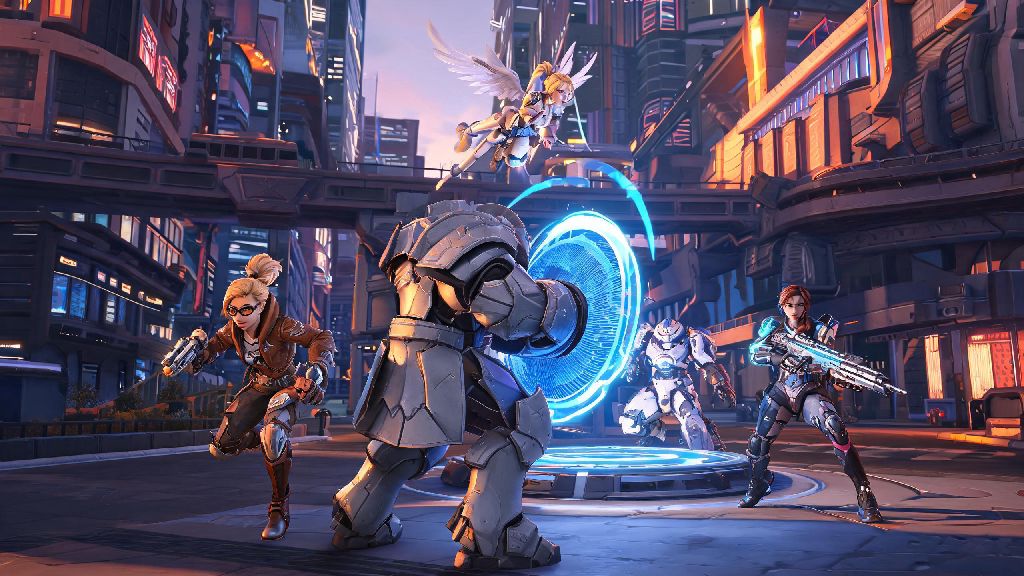
If you’ve ever watched a top Overwatch 2 streamer yell about their team wasting a perfect drive opportunity, or wondered why your coordinated pushes fall flat even when you have multiple ultimates available, you’ve probably asked what are drives in Overwatch 2. They’re one of the most underdiscussed gameplay frameworks that separate low-rank players from top 500 competitors, and they don’t show up anywhere in the game’s official tutorial. This guide breaks down exactly what drives are, how they work across every game mode, and how you can start executing them to win more games without needing to grind 10 hours a day on mechanics.
What Are Drives in Overwatch 2, Exactly?
At their core, drives are timed, coordinated team pushes focused on securing one specific, high-impact objective, rather than chasing random fights across the map. They’re not an official in-game feature or new hero ability—they’re a community-coined term for structured, intentional pushes that minimize wasted resources and maximize your odds of making progress on the map. Unlike random trickle pushes where your team runs in one by one, drives require all five players to be on the same page from start to finish.
You don’t need a full team of friends on voice chat to run a successful drive, either. Even with random solo queue teammates, you can use the in-game ping system to align everyone on the goal before you start. I’ve noticed that low-rank teams almost never run intentional drives, instead choosing to chase kills or waste abilities on meaningless mid-map fights, while diamond and higher teams run at least three structured drives per round on average. That gap in strategy is way more impactful than individual aim skill for most players stuck in lower ranks.
Core Components of a Successful Overwatch 2 Drive
Not every group push counts as a drive. A successful drive has four non-negotiable components, and missing even one will usually lead to a failed push and free ultimate charge for the enemy team. These components apply no matter what game mode or hero you’re playing:
The exit plan is the part most teams miss, in my experience. I’ve had dozens of games where my team gets halfway through a drive, loses the main tank, and everyone keeps trickling in one by one, giving the enemy four free ultimates in 30 seconds that they use to flip the entire round. That means agreeing on a fallback ping before you start the drive cuts that risk by more than half, even if you’re playing with complete randoms.
How Drives Change Across Different Overwatch 2 Game Modes
The basic structure of a drive stays the same, but you have to adjust the goal and timing to match the game mode you’re playing. Running the exact same drive strategy for every mode is one of the most common mistakes players make when they first start learning this mechanic.
For payload and hybrid maps, drives are usually focused on pushing past a choke point or getting the payload moving for at least 10 seconds, not wiping the entire enemy team. Wiping the enemy is a nice bonus, but it’s not required to make progress, and wasting resources chasing kills will usually leave you without the abilities you need to keep the payload moving after the fight. Always adjust your drive structure to match the game mode and current map position, not just what worked last round.
For control and flashpoint maps, drives are timed to hit right when the point is about to unlock, so you can secure control before the enemy can set up their defensive positions. Mobile heroes like Tracer and Genji shine here, because they can get to the point first and disrupt the enemy’s setup before the rest of your team arrives. For push maps, drives are almost exclusively focused on getting the robot past the mid-point, because after that the spawn advantage flips to your team, making it way easier to hold the lead for the rest of the round.
Practical Tips to Execute Better Drives in Your Own Games
You don’t need to be a top 500 player or have a full premade team to run successful drives. These small, actionable tips will help you start running better pushes in your very next game, even if you’re playing solo queue with random teammates:
First, communicate your drive plan 10 seconds before you start, don’t just run in and expect your team to follow. Use the in-game ping system to mark the main objective, the fallback point, and any high-priority enemy targets you need to focus first. Most players won’t initiate a drive on their own, but they’ll follow a clear plan if someone puts it forward.
Second, don’t waste DPS ultimates at the very start of a drive unless the enemy is grouped up perfectly for a wipe. Save them for when the enemy starts to counter-push, that way you can shut them down before they break your drive and push you back to your spawn. Utility ultimates like Sound Barrier or Rally are the only ones you should use at the start of a drive, because they protect your team while you get into position.
If you’re playing support, don’t chase flanking DPS during a drive. Your job is to keep the front line alive, and if the flanker dies that’s their mistake for overextending, but if the tank dies the entire drive falls apart immediately. I’ve lost count of how many drives I’ve seen fail because a Mercy left the tank to chase a flanking Genji, leaving the entire front line without healing for three seconds.
Last season I was stuck in plat for three weeks, and the only change I made to climb to diamond was calling out drives before every push instead of just running in with my team. My win rate went up 18% in just two weeks, and I didn’t have to grind any aim drills or learn new heroes to make it happen. Calling out just one successful drive per round can double your odds of winning, even if your team has worse individual skill than the enemy.
At the end of the day, understanding what are drives in Overwatch 2 is one of the fastest ways to stop feeling like your wins are random and start taking control of your rank. You don’t need perfect aim or encyclopedic knowledge of every hero ability to run a good drive, you just need clear communication, a simple plan, and the ability to adjust when things go wrong. Next time you load into a competitive game, try calling out a single drive before your first push, you’ll be shocked at how much easier winning becomes when your team is all on the same page.