If you logged 100+ hours on the original Overwatch, booted up Overwatch 2 for the first time in a year recently, and felt like you’d loaded into a totally different game, you’re far from alone. I’ve been grinding the franchise since the 2016 closed beta, and I’ve watched every high, low, and chaotic community backlash unfold in real time. A lot of lapsed and new players ask what happened to Overwatch 2, and the answer isn’t just one bad update or misstep—it’s a series of small and large shifts that shaped the game we have today. We’re breaking down all the biggest changes, controversies, and recent wins to give you the full picture.
The 2022 Launch Shift From 6v6 to 5v5 (and Why It Split The Community)
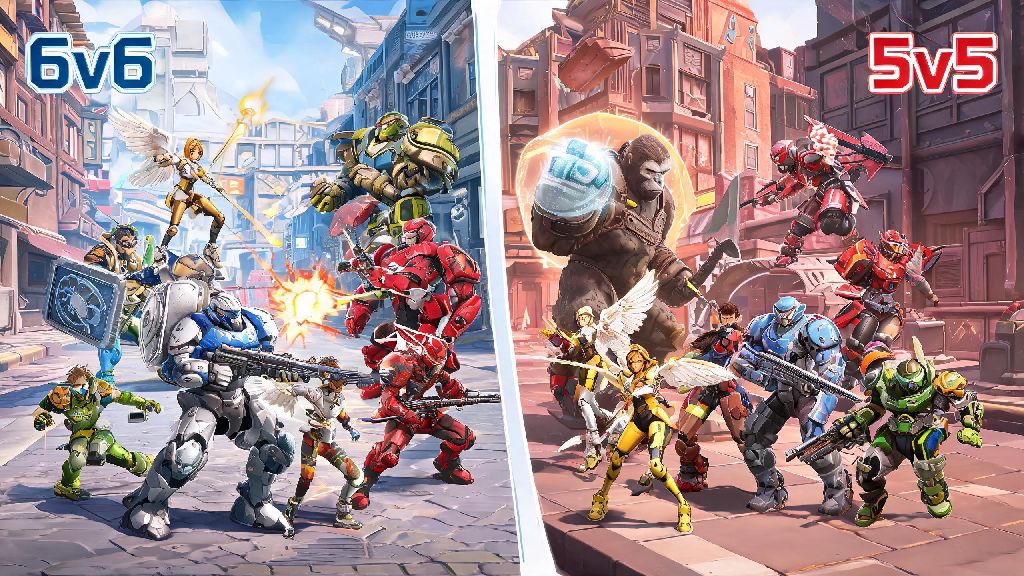
The original Overwatch built its identity on 6v6 play, with two tank, two damage, and two support slots per team. The system created a structured, team-focused meta where coordination beat individual skill more often than not, but it also came with major pain points. Long queue times for tank and support roles, endless crowd control chains that left you unable to move for seconds at a time, and off-tank mains who would exclusively play to troll their frontline partner were common complaints. So when Blizzard announced Overwatch 2 would switch to 5v5, cutting one tank slot entirely, the team framed it as a fix for all those issues.
It’s one of the biggest parts of what happened to Overwatch 2, and the effects of that shift are still felt in the meta today. Tank queue times dropped by 70% overnight after launch, which was a massive win for anyone who’d ever waited 20+ minutes for a single competitive match. But the change split the community hard. Longtime off-tank mains lost their favorite roles entirely, support mains felt far more exposed without a second tank peeling for them, and Reinhardt mains like me spent the first two seasons sticking to quick play because slow, shield-focused tanks were completely unviable in the initial dive-heavy meta. It took almost a year of balance patches to make the 5v5 system feel fair for all roles, and even now, a subset of players still beg for a permanent 6v6 casual mode.
What Happened to Overwatch 2’s Original PvE Promise?
When Overwatch 2 was first announced in 2019, the biggest selling point by far was its planned full PvE mode. Blizzard teased a sprawling story campaign, customizable hero skill trees, replayable co-op missions with unique loot, and hours of lore content for long time fans of the franchise’s world and characters. A lot of players stuck around through the slow final years of Overwatch 1 specifically to wait for that PvE experience, and many bought the $40 Watchpoint Pack pre-order specifically to get early access to the mode.
That’s why the 2023 announcement that Blizzard was scrapping the full PvE mode hit the community so hard. The dev team explained that the original scope was far too large to deliver on while also supporting the live PvP game with regular balance updates, new heroes, and seasonal content. Instead, they would release smaller, limited-time story missions each season that could only be played for a few weeks before being removed. This announcement led to a 30% drop in active players in the month following the news, per public player tracking data, and a lot of fans said they felt lied to by the team’s original promises. If you’re waiting for the open-world, skill-tree PvE experience Blizzard first teased, it’s never coming, but the seasonal story missions are still worth playing if you care about the game’s lore.
Monetization Changes That Sparked Major Backlash
The original Overwatch was a one-time $60 purchase, with free loot boxes for every level you earned, and no paid content that gave players a gameplay advantage. Overwatch 2 switched to a free-to-play model, which opened the game up to millions of new players who didn’t want to pay upfront, but it also came with a totally new monetization system that the community hated almost immediately.
Monetization is another core piece of what happened to Overwatch 2, as the shift from paid to free-to-play changed almost every part of the player experience. The most common early complaints included:
The community pushed back so hard on $20 individual skins and paywalled heroes that Blizzard made several key changes to the system by season 3. New heroes are now available for free on the free battle pass track, as long as you grind enough levels to unlock them before the season ends, and there are multiple free skins available every month for completing simple weekly and event challenges. I’ve spent around $40 on OW2 cosmetics total over two years, which is way more than I spent on the original $60 Overwatch 1 game and all its DLC combined, so I get why so many players were frustrated by the shift, but it’s gotten a lot better over time.
The Current State of Overwatch 2 (Recent Updates That Won Back Players)
After two years of missteps and community backlash, 2024 has seen Overwatch 2 make a quiet but impressive comeback. The dev team has spent the last few seasons listening to player feedback, rolling out fixes for long requested features, and balancing the meta to feel fair for all roles, and the results speak for themselves.
Cross-progression finally rolled out fully in early 2024, so you can now carry all your skins, rank progress, and unlocks across PC, console, and cloud gaming platforms, a feature players have been asking for since the original Overwatch launched. The hated Push game mode has been mostly phased out of competitive play in favor of the far more dynamic Flashpoint mode, and balance patches now drop every two weeks instead of every two months, so no single hero or comp dominates the meta for months at a time. Competitive play also got a full rework, with better skill matching, far fewer smurfs in lower ranks, and end-of-season rewards that are actually worth grinding for. Active player counts are up 40% in 2024 compared to the 2023 low after the PvE cancellation, so the game is clearly resonating with players again.
If you’re a returning player, you don’t have to spend any money to enjoy the game now. All new heroes are unlockable for free, there are free cosmetic rewards every week, and quick play modes are more varied than ever. The game still has flaws, of course—support mains still deal with a lot of toxicity, and there’s no permanent archive of past story missions yet—but it’s a far better experience than it was at launch.
At the end of the day, the answer to what happened to Overwatch 2 is a mix of overambitious promises, community pushback, and slow, steady improvements that turned a rocky launch into a genuinely fun game today. It’s not the game a lot of players thought they were getting when it was first announced, but it’s carved out its own identity that works for both casual players who just want to mess around with friends and competitive players who grind for top ranks. If you haven’t logged on in a year or two, give it a shot—you’ll probably be surprised by how much it’s improved.