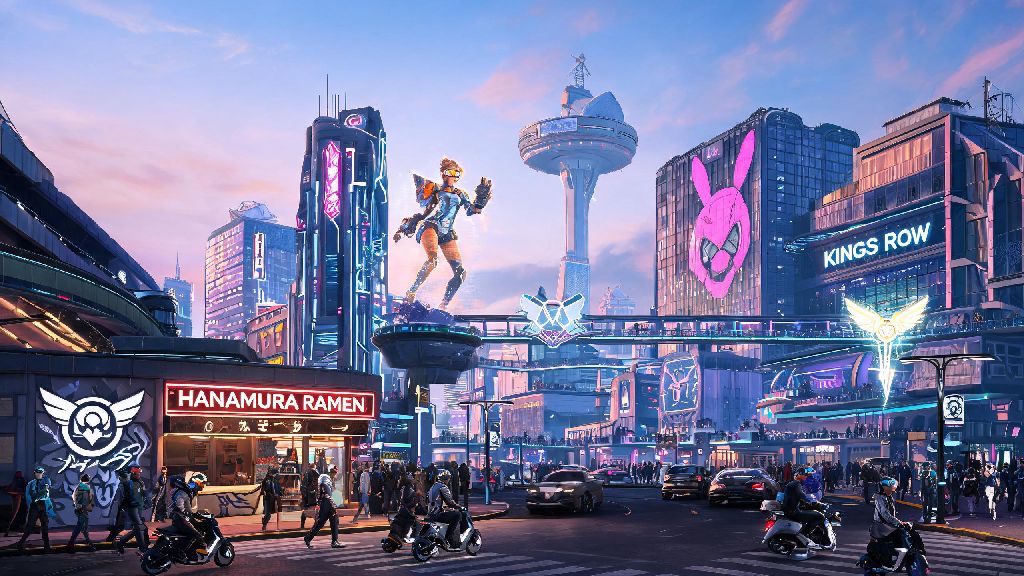
If you’ve ever paused mid-push on King’s Row or stared at the futuristic tech on Ilios and wondered when does Overwatch 2 take place, you’re not alone. The game’s bright, hopeful sci-fi setting feels both far enough ahead to feel magical, and close enough to feel tied to real-world technological trends we’re seeing right now. Most casual players don’t realize the timeline is carefully mapped out by Blizzard’s writing team, and it ties directly to everything from hero abilities to map Easter eggs you might have missed during matches. This guide breaks down exactly where the game falls in the Overwatch franchise timeline, plus all the small details you might have missed that hint at its exact placement.
When Does Overwatch 2 Take Place, Exactly?
The short answer is that Overwatch 2 takes place roughly 40 years after the end of the first Omnic Crisis, and just over one year after Winston activated the Overwatch recall at the end of the original Overwatch game’s main story. If you map it to a real-world equivalent timeline, that places events somewhere in the late 2080s, though Blizzard has avoided locking it to an exact year to keep lore updates flexible as they release new heroes and story content. If you’ve ever argued with friends about when does Overwatch 2 take place, this official timeline from Blizzard clears up all the conflicting rumors you might have seen on social media. One of the easiest ways to spot its placement is the state of former Overwatch facilities: many are abandoned but not fully decayed, and former agents are still adjusting to being called back to action after years of laying low. You won’t see post-apocalyptic ruins here, because the world is actively recovering from small-scale conflicts after Overwatch’s disbandment, rather than rebuilding from a total global collapse. That’s why most maps still have functional infrastructure, bright public spaces, and even civilian crowds in the background of non-combat areas.
Key Timeline Events That Lead Directly to Overwatch 2’s Setting
The lead-up to the game’s current timeline is full of small, lore-defining moments, but three events stand out as the biggest drivers of the story we see unfold in matches today:
If you pay attention to voice lines during matches, you’ll hear heroes reference these events constantly. For example, Cassidy will make offhand jokes about laying low in Texas during the years Overwatch was disbanded, and Mercy will mention being worried about rejoining the fight after spending years doing humanitarian work in conflict zones. You don’t have to read the official comics to pick up on these hints, either—most of them are played casually during spawn waiting periods or when two specific heroes are on the same team.
How Overwatch 2’s Timeline Impacts In-Game Content You Play Every Day
You don’t have to dig into comic books or animated shorts to see evidence of the game’s timeline in every match you play. Almost every map has Easter eggs that hint at exactly when the game is set, from advertisements for the latest LumériCo tech in Dorado to memorials for omnic rights activists in King’s Row. For example, the New Queen Street map set in Toronto has posters for upcoming music festivals and public service announcements about omnics being granted legal citizenship in Canada, which lines up with lore that Canada was one of the first countries to normalize relations with omnics after the first crisis. Hero abilities and backstories also tie directly to the timeline. New heroes like Kiriko and Junker Queen are perfect examples: Kiriko grew up after the first Omnic Crisis, trained with the Shimada clan when Hanzo and Genji were still young, and only joined the fight after the recall went out, which is why she has a mix of traditional ninja training and modern tech in her kit. Junker Queen ruled over Junkertown for 10 years before she became a playable hero, and her backstory of kicking the Junkers out of her home lines up with the timeline of Omnium explosions in Australia that happened 30 years before Overwatch 2’s events. Even game modes like Push are tied directly to the current timeline: the global push for infrastructure that connects human and omnic communities is a direct response to Null Sector’s attempts to divide the two groups, so the robot you push across the map is laying down new communication cables that connect local networks to the global Overwatch command system. If you never paid attention to lore before, learning when does Overwatch 2 take place can make your matches feel a lot more immersive, because you’ll understand why certain heroes are on the same team and why certain maps are contested.
Common Misconceptions About Overwatch 2’s Timeline
There are a lot of wrong assumptions floating around community forums about when the game is set, and most come from mixing up events from the original Overwatch’s timeline with the new game. First, a lot of players think the game is set 100+ years in the future, but that’s not true. The tech you see in the game is only 60 or so years ahead of current real-world tech, which is why you still see familiar things like coffee shops, street signs, and even vintage cars on some maps, mixed in with robots and flying vehicles. Blizzard’s writing team has said they intentionally kept the setting grounded so players can relate to the world better. Another common misconception is that all omnics are evil in the current timeline, but that’s also wrong. Many omnics live peacefully alongside humans, and the only hostile group is Null Sector, which makes up a tiny fraction of the global omnic population. You can see evidence of this on maps like Numbani, which is a city built jointly by humans and omnics, and even has an omnic mayor. A third myth is that Overwatch is a fully legal organization again in the current timeline, but that’s still up in the air. Many countries still don’t recognize Overwatch as a legitimate group, which is why agents often have to operate in secret, and why you’ll see police or local military forces trying to stop both Overwatch and Null Sector in some map background scenes. The team is slowly gaining public trust as they stop Null Sector attacks, but the process is slow, which creates a lot of the tension you see in the game’s animated story shorts.
At the end of the day, the exact year isn’t as important as the way the timeline makes the world of Overwatch 2 feel lived-in and connected to every part of the game you interact with. If you’ve been curious when does Overwatch 2 take place, you can now spot all the little clues in voice lines, map details, and hero interactions every time you queue up for a match. Next time you’re waiting for a match to start, take a minute to look around the spawn room—you might find a new lore detail you’ve never noticed before that adds even more context to the fight you’re about to join.