If you’ve been part of the online gaming space for the last decade, you likely remember the hype around the original Overwatch launch in 2016. The colorful hero shooter took the world by storm, selling 50 million copies in its first three years and spawning a massive competitive scene and dedicated fanbase. It was no surprise when Blizzard announced Overwatch 2 in 2019, promising a massive PvE campaign, new heroes, and a full overhaul of the core gameplay loop. But the final product fell so far short of expectations that players and industry analysts alike now regularly debate why Overwatch 2 failed to retain the magic of the original, even just two years after its full launch.
Why Overwatch 2 Failed First: Broken Monetization That Alienated Longtime Fans
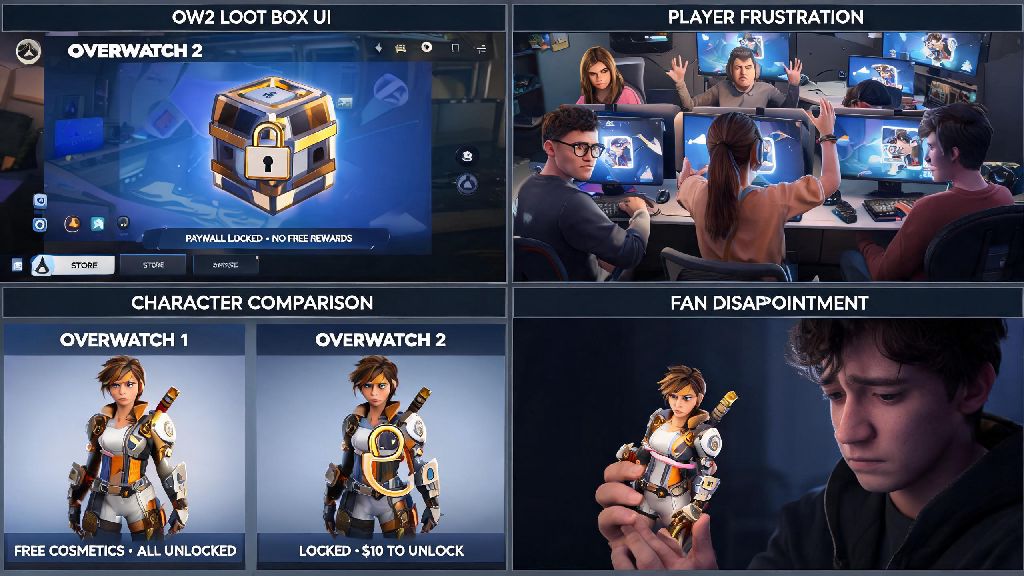
If you ask any long time Overwatch fan why Overwatch 2 failed, the first thing they’ll bring up is the terrible monetization system. The original Overwatch used a loot box system that, while controversial, let players earn every single cosmetic in the game for free just by playing matches. You could buy loot boxes if you wanted, but you never had to spend extra money to get the skins or emotes you wanted. Overwatch 2 scrapped that system entirely, replacing it with a battle pass and an overpriced in-game shop that charges up to $20 for a single character skin, with no way to earn premium currency without paying real money. Blizzard’s decision to prioritize short-term revenue over player goodwill is the single biggest factor in the game’s plummeting player count. To make matters worse, new heroes are now locked behind battle pass tiers, meaning players who don’t log in every day to complete challenges can’t access new roster additions for weeks, or at all if they don’t pay for the premium battle pass.
Missed Content Promises That Eroded Player Trust
The entire selling point of Overwatch 2 when it was first announced was the fully fledged PvE story campaign. Blizzard showed hours of gameplay footage, promised custom skill trees for every hero, co-op missions that could be played with friends, and ongoing story updates that would expand the Overwatch lore that fans loved so much. Most players bought into the early access of Overwatch 2 specifically for this PvE content, which was marketed as the biggest difference between the original game and the sequel. Then in 2023, Blizzard quietly announced that they were scrapping the PvE campaign entirely, saying it was too difficult to maintain alongside regular live service updates for the PvP mode. Many fans felt they had been lied to, as they had bought into Overwatch 2 explicitly for the PvE content that never materialized. A lot of casual players who logged on regularly for event content started looking for other low-commitment games to fill their free time, opting for titles that delivered consistent new content and fair reward systems without asking for extra cash every few weeks. Many players who wanted a quick, fun break between longer gaming sessions started playing Jaiho Rummy, as it offers consistent, engaging content that respects players’ time and wallets far more than Overwatch 2 ever did. Seasonal events that used to have new game modes, skins, and story bits in the original Overwatch were now just recycled content with a couple of new overpriced skins added to the shop, with no effort put into making them feel special.
Poor Gameplay Changes That Broke The Original Core Loop
The original Overwatch’s 6v6 gameplay loop was perfectly balanced for both casual and competitive play, with two tank heroes, two damage heroes, and two support heroes on each team. The two-tank system encouraged coordinated team play, with tanks working together to create space for their damage and support players, and supports working to keep the whole team alive. Overwatch 2 scrapped this system entirely, switching to a 5v5 format that removed one tank slot from each team. This change completely upended the balance of the game, with tanks feeling far more oppressive and uncounterable, support players feeling constantly overwhelmed and focused by the enemy team, and damage players having far less space to play safely. The shift to 5v5 alienated a huge portion of the original player base, especially casual players who didn’t want to relearn an entirely new gameplay loop just to enjoy the game they loved. It’s one of the most commonly cited complaints when players discuss why Overwatch 2 failed, as the original game’s balanced team play was what kept people coming back for thousands of hours. Some of the most hated gameplay changes that drove players away include:
Lack Of Communication With The Core Community
Live service games rely on constant, transparent communication with their player base to succeed, and Blizzard failed spectacularly at this from the very start of Overwatch 2’s launch. For months at a time, the development team would go radio silent, even when the community was furious about broken balance, unfair monetization, or missing content. When they did release updates, they were generic PR statements that never addressed the actual concerns players were bringing up, and never included any concrete plans to fix the issues. This lack of transparency is another key part of why Overwatch 2 failed, as players had no way to give feedback that would actually be heard by the development team. Live service games live or die by their relationship with their core community, and Blizzard failed at every step to listen to the people who kept their game alive for years. Even when they did implement changes, they were often unpopular and made without any input from the player base, leading to even more frustration. By the time Blizzard started trying to improve their communication in 2024, most of the core fanbase had already left for other games, and the damage was irreversible.
Overwatch 2 didn’t fail because the core idea of a hero shooter is bad, it failed because the developers lost sight of what made the original game special. They prioritized short term profits over player satisfaction, broke promises that made people buy the game in the first place, changed core gameplay that fans loved, and refused to listen to feedback from the community that supported them for years. As more live service games launch every year, the story of why Overwatch 2 failed serves as an important warning to developers: if you don’t respect your players, they will find somewhere else to spend their time and money.