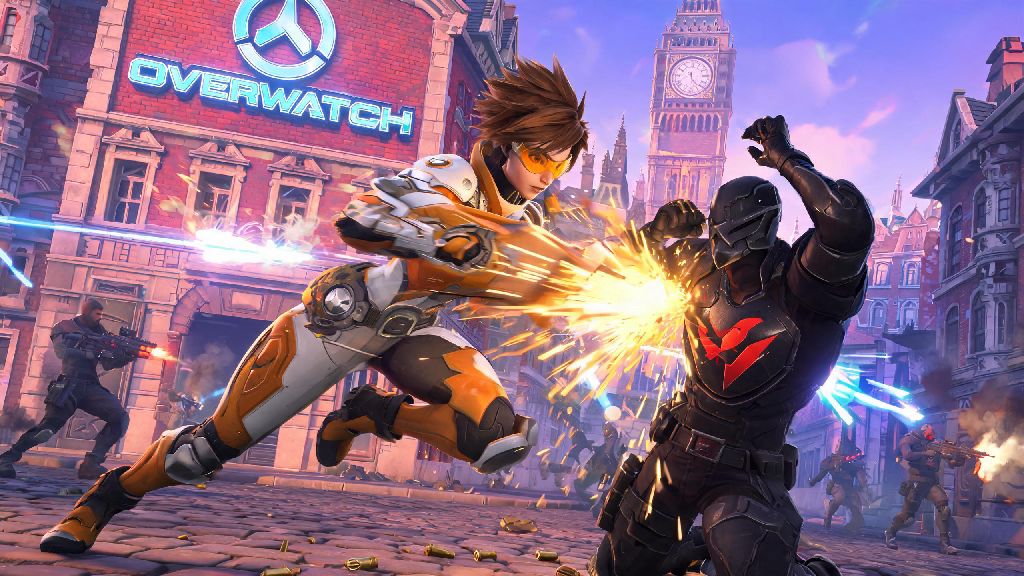
We’ve all been there: you’re trading blows with an enemy Tracer on King’s Row, both of you are down to 12 health, and your last shot misses by an inch. That split second where you fumble to remember how to melee in Overwatch 2 is the difference between popping a play of the game and staring at the respawn timer wondering what went wrong. Most players write off melee as a last-ditch tool for when they run out of ammo, but it’s actually one of the most underrated core mechanics in the game, capable of shaving seconds off fights, securing easy environmental kills, and canceling clunky animations to give you an edge. Even high Platinum players often miss simple melee opportunities that would win them more fights, so it’s worth taking a few minutes to brush up on the basics, tricks, and common mistakes to avoid.
How to Melee in Overwatch 2: Core Mechanics You Need to Know
First, let’s cover the basics that far too many players never actually look up. Quick melee is bound to V on keyboard by default, or right stick click on controller, and it works for every hero in the roster. Quick melee deals 30 base damage for all non-tank heroes, and 40 for most tank heroes, which is enough to finish off any low-health target that survived your last burst of fire. The hitbox is a 1.5m cone directly in front of your hero, with a 60-degree spread, so you don’t have to aim perfectly dead-on to land a hit, but you can’t hit someone standing behind a small crate even if they’re right next to you.
Melee has a 0.8 second cooldown after use, so spamming it repeatedly won’t make you land hits faster, it’ll just leave you vulnerable when your target gets within range and your punch is still on cooldown. One of the most useful hidden mechanics is that you can time melee to cancel the end recovery animation of most weapon shots and abilities, without losing any damage output. For example, if you land three headshots with Cassidy’s revolver, a quick melee right after the third shot will cut out the 0.3 second recovery animation, letting you reposition or start reloading faster than you would otherwise.
As you’re learning how to melee in Overwatch 2, the first thing to get right is range judgment. It’s better to hold your melee until you’re absolutely sure you’re in range, instead of wasting it early and letting the enemy get the first punch in when they get close. I’ve lost count of how many 1v1s I’ve won just by waiting half a second longer to melee than my opponent, who wasted their punch while I was still just out of reach.
Top Situations to Use Melee Instead of Firing
Melee isn’t always the right call, but there are a handful of situations where it’s always better than pulling the trigger. Always prioritize melee if an enemy is below 30 health and within 2m of you. It doesn’t matter if you have a full clip of ammo: a melee hit is guaranteed to land if you’re in range, while even a single missed shot could let them escape or turn the fight around. This is especially useful for support players with slow-firing weapons, like Ana or Baptiste, who might miss a quick shot on a flanking Tracer who’s already at 20 health.
Another great use case is breaking small buildables or environmental objects faster. If you’re playing Mercy and a Torbjorn turret is at 25 health, two quick melees will destroy it faster than firing your pistol four times, and you won’t have to reload afterward. Melee also doesn’t make nearly as much noise as gunfire, so you can use it to break a breakable wall without alerting the entire enemy team to your position.
Some of the most satisfying melee plays are environmental kills, which don’t require any damage to land at all. If an enemy is standing right on the edge of a cliff on Ilios or Nepal, a single well-timed punch will knock them off for an instant kill, no ammo or abilities needed. These are some of the easiest kills you can get in the game, especially against overconfident players who are too focused on shooting your team to watch their footing.
That’s not an exhaustive list, but these three use cases alone will help you pick up 2-3 extra kills per game once you start looking for them. I once won a 1v3 on Ilios Well just by meleeing three overextended enemies off the edge one after another, no ammo or abilities used at all.
Hero-Specific Melee Tricks You Should Master
While base melee works the same for most heroes, there are a handful of roster-specific quirks that can give you a huge edge if you main those characters. Doomfist’s base melee deals 55 damage, meaning a single punch can finish any 50-health support if they’re already grazed by a shot or ability. If you’re playing Doomfist, you should be weaving melee into every close-range combo, because the extra 25 damage over standard melee cuts down time to kill drastically.
For DPS players, Genji has one of the most useful melee combos in the game. A full right-click burst of three shurikens to the body deals 84 damage, plus a quick melee adds another 30, for a total of 114 damage in less than half a second. If you land one headshot in that shuriken burst, you’ll deal 142 damage total, which is enough to finish off any 150-health support in one quick combo without using your dash. Tracer players can also use melee right after a blink to catch enemies off guard, since most players won’t expect you to be right on top of them immediately after blinking.
Support players have a few useful melee tricks too. Kiriko’s melee hits faster than most other supports, so you can combo a kunai hit plus a melee to take out a low-health flanker faster than you can fire a second kunai. If you’re playing Lucio, you can use your boop to knock an enemy into a wall, then follow up with a quick melee to finish them off if they’re already low on health. As you practice how to melee in Overwatch 2, you’ll start to pick up hero-specific quirks that fit your main playstyle.
There are also a few heroes you should almost never use melee on unless you have no other option. If you’re playing Widowmaker or Hanzo, using melee will cancel your scope, and the 30 damage is almost never worth wasting the chance to land a one-shot headshot on a target that might come around the corner right after you punch. Only use melee on these heroes if you’re literally about to die and the enemy is standing right on top of you.
Common Melee Mistakes That Are Costing You Fights
For every good use of melee, there are a dozen bad ones that will lose you fights you should have won. Never use melee unless you’re 100% sure the enemy is within the 1.5m hitbox range. I see so many Bronze and Silver players spamming melee the second an enemy starts running toward them, even if they’re 3m away. By the time the enemy gets close enough to hit, your melee is on cooldown, and they get the first punch in before you can use yours again.
Another common mistake is canceling long reloads with melee. If you’re playing Soldier: 76 and you’re 80% done reloading your 30-round clip, using melee will reset the entire reload animation, forcing you to wait another full 2 seconds to get your ammo back. That’s almost never worth it unless the enemy is right on top of you and you have no other way to defend yourself. If you’re only 20% through a reload, canceling it with melee is less of a problem, but you still need to weigh the cost against the benefit of landing that 30 damage.
Don’t fall into the habit of using melee after every single shot, either. A lot of players pick up this habit in quick play, and it slows down their fire rate by 0.8 seconds every time they use it unnecessarily. If an enemy is 10m away, your gun will deal way more damage per second than spamming melee will, so save the punch for when you’re actually close enough to make it count. I used to do this all the time on Reaper, and it cost me so many fights where I could have melted a tank if I’d just kept firing instead of wasting time punching the air between shots.
The last big mistake is using melee against high-health targets when you still have ammo. If the enemy Reinhardt is at 200 health, a single 40 damage melee punch isn’t going to make a dent, and you’re better off firing your primary weapon the entire time. Melee is a supplement to your regular kit, not a replacement for it.
At the end of the day, learning how to melee in Overwatch 2 is less about memorizing complex combos and more about building good habits around when to use it, and when to leave it on cooldown. Spend a few quick play games intentionally looking for melee opportunities, and you’ll start noticing how many close fights you win that you would have lost before. You don’t have to pull off crazy flicks or advanced combos to make melee work for you, even just using it to finish off low-health targets or knock cocky players off cliffs will make a noticeable difference in your win rate. Next time you’re both out of ammo in a 1v1, you’ll be the one landing that last punch instead of staring at the respawn screen wondering what went wrong.