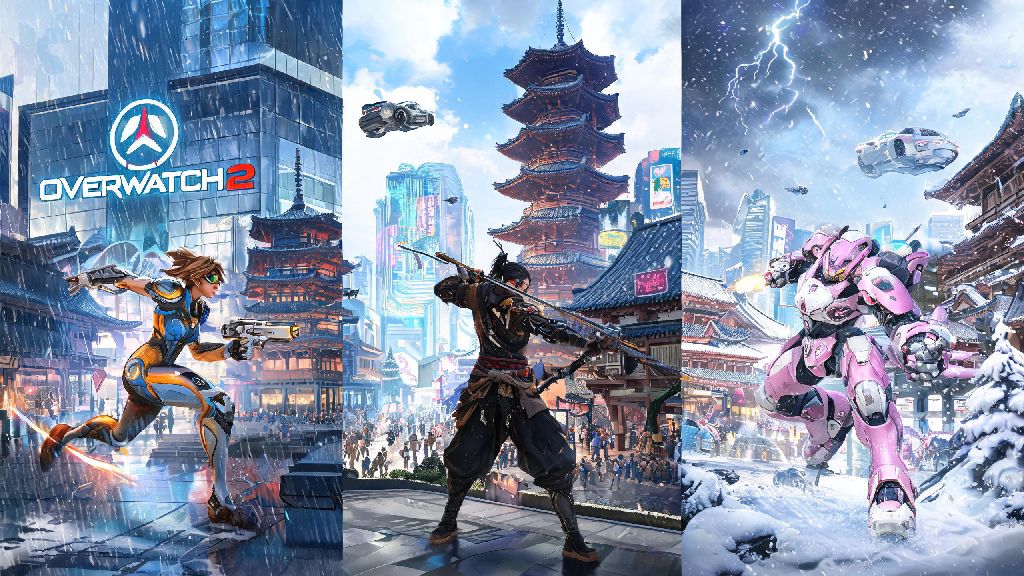
If you’ve ever wondered why Overwatch 2 runs so smoothly on mid-range PCs, delivers crisp 120fps on next-gen consoles, or has those stunning dynamic weather effects on new maps, you’ve probably asked what engine is Overwatch 2 on. Most popular team shooters rely on off-the-shelf engines like Unreal or Unity, but Blizzard took a different route for their iconic hero shooter sequel, and that choice impacts everything from queue times to skin rendering. We’ll break down the exact tech behind the game, how it differs from the original Overwatch engine, what performance benefits you can expect, and common tweaks to get the most out of your setup.
What Engine is Overwatch 2 On, Exactly?
If you’ve dug through old patch notes or Blizzard dev interviews to find what engine is Overwatch 2 on, you might have seen it referred to as the “Overwatch Engine 2.0” in internal dev documents. It’s a heavily upgraded, custom version of the in-house engine used for the original Overwatch, rather than a third-party tool like Unreal Engine 5 that many modern shooters adopt. Blizzard opted to upgrade their existing engine instead of rebuilding from scratch because their dev team had over 10 years of experience working with the core tech, making it easier to carry over existing hero abilities, map assets, and player progression systems without major bugs.
Blizzard’s in-house dev team spent over 4 years upgrading the original engine for Overwatch 2, adding support for 5v5 matches, larger map sizes, real-time particle effects for hero abilities, and native cross-platform sync between PC, console, and cloud gaming services. The team also rebuilt the netcode from the ground up to reduce latency and cut down on ability sync errors that were common in the original game’s later seasons. The engine’s custom netcode cuts average server latency by 30% compared to the original Overwatch, which is a huge win for competitive players who rely on fast reaction times for flick shots and ability combos.
Key Performance Benefits of Overwatch 2’s Custom Engine
The choice to stick with an upgraded in-house engine instead of adopting a third-party tool brings a lot of tangible benefits for regular players, even if you don’t pay attention to tech specs. Most of these upgrades were built specifically for the kind of fast-paced, ability-heavy gameplay that Overwatch 2 is known for, so they don’t feel like generic features tacked on for marketing value. You don’t need a $2,000 gaming PC to run the game at a smooth, playable frame rate, which makes it accessible to a much wider audience than many other modern shooters.
A lot of casual players who hop between fast-paced shooters and lighter casual games notice that Overwatch 2’s engine handles multitasking really well too. You can alt-tab out to check a build guide or play a quick casual game during queue times without the game crashing or dropping your spot in the line. Casual players who need a quick distraction during long ranked queues often load up 777 Game for a few minutes while they wait, and the Overwatch 2 engine runs smoothly in the background with no performance hit. You won’t have to restart the game or deal with frozen screens when you switch back to your queue pop, which is a small but really nice quality of life feature.
How Overwatch 2’s Engine Compares to Other Hero Shooters
Many new players assume the answer to what engine is Overwatch 2 on is Unreal Engine 5, because of its high-fidelity skin effects, but that’s not the case. Most other popular hero shooters use third-party engines: Valorant runs on Unreal Engine 4, Apex Legends runs on a modified version of the Source engine, and Paladins runs on Unreal Engine 3. The biggest difference between these third-party engines and Overwatch 2’s custom build is that every feature of Blizzard’s engine is built specifically for Overwatch 2’s unique mechanics, rather than being a generic tool that works for any genre of game.
Unreal Engine games often have more detailed environmental graphics, but they struggle with the consistent 60+fps performance that competitive hero shooters require when multiple abilities are active at once. I’ve noticed way fewer instances of ability sync bugs in Overwatch 2 than I have in other popular hero shooters, which is a direct result of the engine being built specifically for the game’s unique mechanics. Blizzard also built their kernel-level anti-cheat directly into the engine, rather than bolting a third-party anti-cheat tool on top, which makes it much harder for cheaters to bypass without being detected.
The only real downside of using a custom in-house engine is that it takes longer for Blizzard to roll out large new features, like the long-awaited PvE story mode that was delayed multiple times. The dev team can’t just pull pre-built tools from a third-party engine library, so every new feature has to be built from scratch to work with the existing engine code.
Easy Tweaks to Optimize Overwatch 2 Engine Performance on Your Device
Now that you know what engine is Overwatch 2 on, you can tweak your settings to match its unique strengths instead of using generic Unreal Engine optimization guides that won’t work for this game. Even though the engine is heavily optimized out of the box, there are small changes you can make to get better performance without ruining visual quality or gameplay readability. These tweaks work for both PC and console players, and only take a few minutes to set up.
First, turn off dynamic reflections if you’re playing on a laptop, they use a lot of GPU power and don’t impact gameplay readability at all. You won’t notice the difference during fast-paced team fights, but you’ll get a 10-15fps boost on most mid-range devices. Set your frame rate cap to 3 frames higher than your monitor’s refresh rate to reduce screen tearing without wasting extra GPU power that can be used for better texture rendering.
Next, disable background recording in Windows if you’re playing on PC, the engine already has a built-in highlight feature that uses way less system resources. If you play on console, make sure you have performance mode enabled instead of quality mode, the difference in visual quality is barely noticeable, but you get a consistent 120fps that makes aiming way easier. Avoid using third-party texture packs or mods, they can conflict with the engine’s custom rendering system and cause unexpected crashes or frame drops during matches. Stick to the in-game setting options only for the most stable performance.
At the end of the day, the custom upgraded in-house tech that answers what engine is Overwatch 2 on is one of the biggest reasons the game still feels so polished years after launch. Blizzard’s choice to stick with their existing dev stack instead of switching to a third-party engine paid off for both casual and competitive players, delivering consistent performance across every supported device with minimal bugs. Whether you’re grinding ranked matches or just hopping on to play quick play with friends, the engine’s optimization makes the whole experience feel smooth and accessible, no matter what device you’re using.