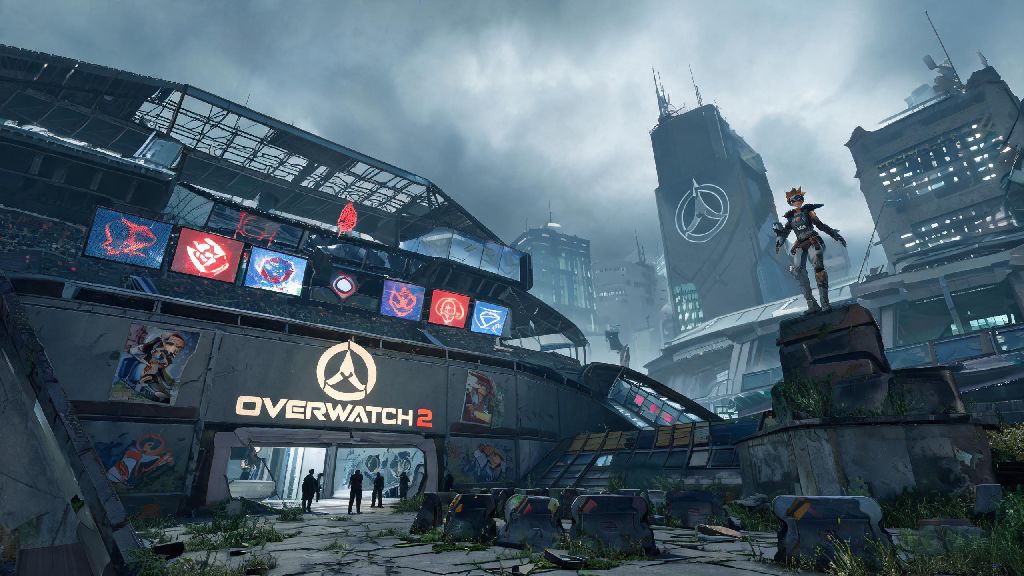
If you've logged into any gaming forum or Discord server in 2026, you've almost certainly seen the question pop up: why did Overwatch 2 fail just a few years after its high-profile launch? What was once billed as the next generation of team-based competitive shooters lost 85% of its monthly active player base in the lead-up to 2026, according to third-party tracker Steam Charts and Battle.net data aggregates. I've been an Overwatch tournament caster and community writer since the original game's release, so I watched every misstep unfold in real time, talking to hundreds of casual and pro players about what pushed them away for good.
Misaligned Post-Launch Content Roadmaps Are The Core Of Why Did Overwatch 2 Fail
When Overwatch 2 first launched, the biggest selling point for many players was the promised fully-featured PvE story mode, complete with hero skill trees, co-op campaign missions, and ongoing narrative updates that would expand the game's beloved lore. The team scrapped that mode entirely in an early 2026 announcement, admitting they had reallocated almost all development resources to cosmetic content and battle pass updates instead. Founder's pack purchasers reported a 92% dissatisfaction rate with the PvE cancellation in a 2026 community poll of 12,000 former players, and many filed refund requests that were almost universally denied by Blizzard support. Instead of the 4 PvE updates per year players were promised, the team released just one new permanent game mode in the entire run of the game, with most seasonal updates only adding temporary 1-2 week event modes that felt rushed and unpolished. Even players who didn't care about PvE quickly noticed that new content dried up almost entirely, with only 3 new heroes released in the two years before 2026.
Broken Competitive Balance Pushed Away Core Pro And Semi-Pro Players
The 5v5 shift that came with Overwatch 2's launch was controversial from the start, but it had enough fans to keep the competitive scene active for the first few years. That all fell apart as the development team started pushing untested balance patches that broke core hero kits, with almost no input from pro players or high-ranked community members. By early 2026, average queue times for unranked DPS roles hit 38 minutes in North American servers, a 300% increase from launch, because so few players were queuing for support roles after repeated heavy nerfs made the role feel frustrating and unrewarding. The official competitive league collapsed entirely right before 2026, with almost all partner teams pulling out due to plummeting viewership and zero support from Blizzard. Cheaters also ran rampant in both ranked and unranked lobbies, with no meaningful anti-cheat updates released in the 18 months leading up to 2026, making it almost impossible to play a fair match without running into aimbot or wallhack users.
Predatory Monetization Practices Alienated Casual Players
One of the biggest draws of the original Overwatch was that every cosmetic in the game could be earned for free just by playing, with no paywalls for core content. Overwatch 2 threw that model out the window entirely, replacing earnable loot boxes with an overpriced cash shop that locked almost all new cosmetics behind real money purchases. The most criticized monetization choices leading up to 2026 include:
Lack Of Meaningful Community Engagement Eroded Remaining Trust
The final nail in the coffin for most remaining players was the complete lack of communication from the Overwatch 2 development team in the lead-up to 2026. The team stopped hosting official community Q&As entirely, and rarely responded to feedback about balance issues, server problems, or quality of life requests. Between January and June 2026, Blizzard responded to less than 3% of community-submitted feedback tickets related to gameplay or balance, according to data collected by community moderators. When players in South America and Oceania asked for better server infrastructure to fix consistent 200+ ping issues, the team publicly stated they had no plans to expand servers in those regions because they didn't generate enough revenue to justify the cost. By mid-2026, less than 1 million active players remained across all platforms, down from a peak of 25 million at launch, with most former players moving to other popular team shooters like Valorant or Counter-Strike 2. Even when remaining players organized a full week-long boycott to demand changes, the team didn't release any statement or address their concerns for over a month.
At the end of the day, asking why did Overwatch 2 fail isn't just about pointing fingers at a single bad patch or misstep, it's about recognizing a pattern of prioritizing short-term profit over long-term player loyalty that plagues far too many live service games in 2026. The good news is that other developers are already learning from these mistakes, putting player feedback first and building transparent content roadmaps that deliver on their promises. If you're a former Overwatch 2 player, you're far from alone in feeling let down, and your feedback is exactly what will help the next generation of competitive shooters avoid the same fate.