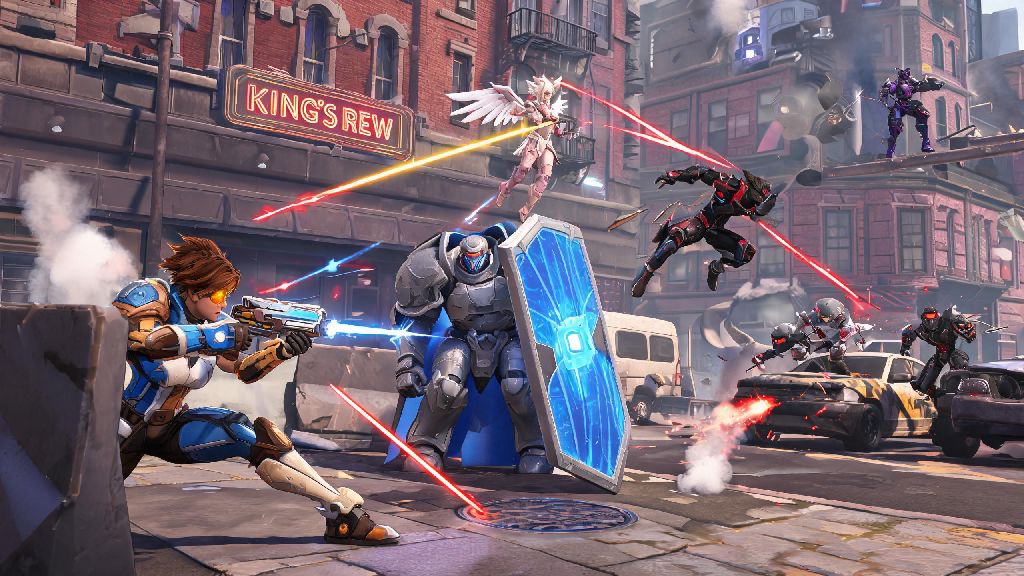
If you’ve been searching for how to switch to 3rd person in Overwatch 2 after the 2026 gameplay updates, you’re not alone. For years, players only had access to third person camera angles in highlight reels and custom game lobbies with special codes, but Blizzard finally rolled out a native toggle for all casual playlists earlier this year. I’ve been testing this feature nonstop since it dropped, and I’ve found it’s way more useful than just showing off your new event skins. This guide will walk you through exactly how to set it up, when to use it, and how to fix common issues you might run into.
Why Would You Want to Use Third Person Camera in Overwatch 2?
A lot of players write off third person as a gimmick only for content creators, but it has real practical uses for casual and practice gameplay in 2026. For new players, positioning awareness for new tank and support players gets a lot easier when you can see exactly how much space your hero takes up around cover. You’ll avoid peeking too far around corners and getting picked off by snipers way less often once you have a clear view of your hero’s hitbox.
It’s also a game changer for players who deal with motion sickness from fast first-person movement. Heroes like Tracer and Genji have quick blinks and dashes that can trigger nausea for some players, and toggling to third person during fast team fights can reduce that strain significantly. That said, it’s not a good fit for every situation. You lose the precise first-person reticle alignment, so you’ll miss more shots if you use it mid-fight, and it’s not allowed in competitive play at all.
Step-by-Step Instructions to Switch to 3rd Person in Overwatch 2 (2026 Updated Settings)
The setup process varies a little depending on what platform you play on, but all versions of the game got the toggle in the 2026 mid-season 3 update. You won’t need to download any extra mods or use custom game codes anymore, the option is built directly into your main settings menu.
Once you’ve assigned the keybind or button, you just press it whenever you want to swap between first and third person. The default camera distance is 50%, but you can adjust it in the same Camera menu to pull the angle further back or bring it closer to your hero. If you want to read the full developer breakdown of this feature rollout, check out the 2026 Overwatch 2 mid-season update patch notes for full details on camera range limits and accessibility adjustments.
Common Issues With the Third Person Toggle (and 2026 Fixes)
As with any new feature, the third person toggle has a few kinks that Blizzard is still working out, and there are also intentional restrictions you might not know about. The most common complaint I see from players is that the toggle doesn’t work when they’re in competitive matches. That’s not a glitch: 3rd person is disabled for all 2026 competitive playlists to prevent unfair advantages from seeing around corners without peeking. You’ll only be able to use it in quick play, arcade, custom games, and the practice range.
Another frequent issue is camera clipping through walls when you’re standing close to cover. The fix for this is simple: go back to the Camera settings menu and lower the 3rd person camera distance to between 60 and 70% instead of maxing it out. The max distance pulls the camera so far back that it’s bound to clip through solid objects on most maps, and the 60-70% range gives you the wide view you want without the clipping. If you notice aim drift after toggling back to first person, that’s usually just a small delay in the camera re-centering, and you can fix it by tapping your aim down sights button once to reset the reticle position.
Best Use Cases for the Third Person Toggle in 2026 Gameplay
You don’t want to use the third person toggle all the time, but there are specific scenarios where it makes your game way more fun or way easier. First, it’s perfect for showing off new skins in the practice range or custom game lobbies. The 2026 anniversary event had some of the best legendary skins the game has ever released, and being able to swap to third person lets you see all the small details you’d never notice in first person.
It’s also an amazing practice tool for learning new tank hero positioning. Tanks like Reinhardt and Orisa have huge hitboxes, and it’s hard to tell how much of your body is sticking out around cover when you’re in first person. Toggling to third person while you’re learning to play tank lets you get a feel for exactly how much space you take up, so you’ll make fewer mistakes when you move to competitive play. Content creators also love this feature for making short cinematic clips for TikTok or YouTube Shorts, since you don’t have to use the replay editor to get third person footage anymore.
But remember: you never want to toggle to third person mid-fight, even in casual play. The camera shift throws off your aim, and you won’t be able to track enemy movements as accurately as you would in first person. Save the toggle for lulls between fights, respawn screens, or practice sessions, and you’ll get all the benefits without any of the downsides.
At the end of the day, this camera toggle is one of the most welcome quality of life changes Blizzard has added to Overwatch 2 in 2026. It’s not a competitive hack, it’s just a fun, useful feature for casual players, content creators, and anyone who struggles with motion sickness or wants to get better at positioning. Whether you’re using it to show off your 2026 anniversary event skins or get better at tank positioning, knowing how to switch to 3rd person in Overwatch 2 is a handy trick to add to your gameplay toolkit. Play around with the camera distance and keybind settings for a few matches, and you’ll find the setup that works best for your playstyle in no time.